Does the color of a hospital gown matter?
Walking down the corridor of a hospital, you pass staff in uniforms of different colors. White, green, blue and even pink – have you ever wondered why this is so? The color of a hospital gown is an important element of communication that has both practical and psychological significance. This element affects the identification of staff, builds the atmosphere of the facility and affects the well-being of patients. Let’s dive into the world of the medical color palette and discover its secrets.
Table of Contents:
- What does the color of an apron mean in a hospital? Symbolism and functions
- How does the color of medical clothing affect patients and staff?
- Are there official regulations? Dress code in medical facilities
What does the color of an apron mean in a hospital? Symbolism and functions
The colors of medical garments serve an informative function, helping to quickly identify a person’s role on the team. While there is no one-size-fits-all system, certain associations and practices are common in medical facilities around the world.
- White – a symbol of cleanliness and professionalism
White is an absolute classic. Traditionally, white gowns are reserved for doctors. These garments symbolize cleanliness, sterility and utmost professionalism. It is easier to see any dirt on the white material, which motivates impeccable hygiene. However, the same color, associated with distance and authority, can cause anxiety in some patients, especially children, known as “white coat syndrome.”
- Green and blue – peace of mind in the operating room and in patient care
Green and blue are the colors that dominate operating theaters – and this is no coincidence. Looking at these colors provides relief for the surgeon’s eyes, which focus on the redness of blood for hours. Green and blue neutralize this image, allowing the eyes to rest and reducing the risk of confusion. In addition, these colors are associated with calm, stability and confidence. This also makes them a popular choice for nurses and staff caring for patients.
- Other colors – building a friendly atmosphere
Nurses and support staff often wear uniforms in pastel shades, such as pink, purple or blue. This helps distinguish them from doctors and creates a more approachable atmosphere. Vibrant, colorful medical outfits reign supreme in pediatric wards. The colorful garments distract young patients from stressful procedures and help build rapport. Paramedics, on the other hand, often wear red uniforms to be instantly recognizable in emergency situations.
How does the color of medical clothing affect patients and staff?
Colors have tremendous power to influence the human psyche. In an environment like a hospital, where emotions often run high, an appropriately chosen color outfit can work wonders.
- The psychology of color in medicine
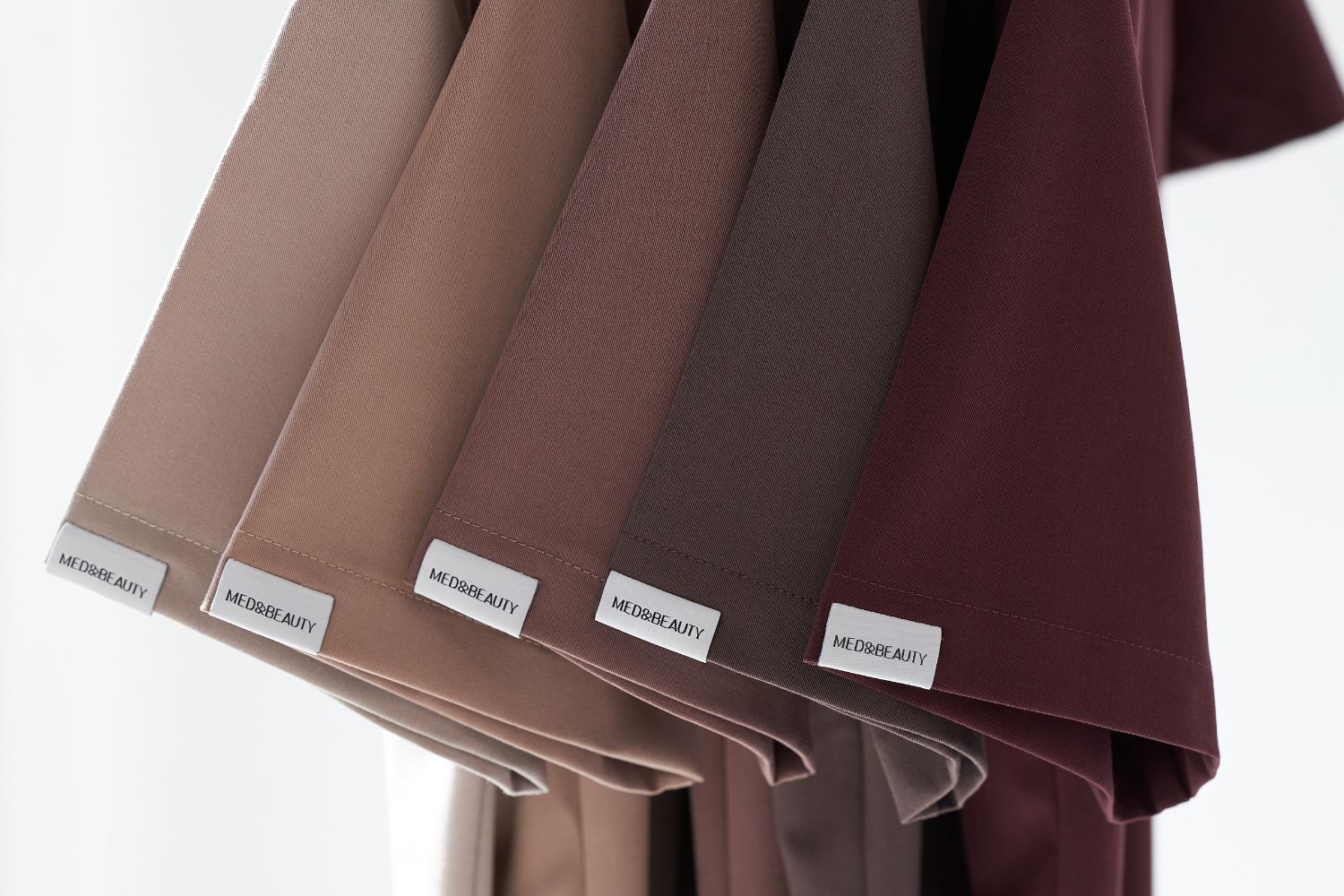
The right shades help create a more pleasant atmosphere, reducing patients’ stress and anxiety. Soft greens, blues or beiges have a relaxing effect and create a sense of security. Colorful, friendly uniforms make staff perceived as more empathetic and accessible. This, in turn, translates into better communication and greater trust, which are the foundations of effective treatment. A comfortable, colorful gown can introduce a friendly atmosphere and have a positive impact on patients’ well-being.
- Benefits for medical personnel
Let’s not forget the medics themselves. Working in a hospital is extremely demanding, and the comfort and well-being of the staff have a direct impact on the quality of care. Being able to choose the color of clothing in which an employee feels comfortable and professional boosts morale and job satisfaction.
Are there official regulations? Dress code in medical facilities
Often patients wonder if there is a top-down color system. The truth is that there are no universal, international regulations governing the color scheme of medical clothing. In most facilities, internal regulations and the dress code set by management determine who wears what shade. Such personalization makes it possible to build a consistent visual identity. It also makes it easier for patients to identify staff and emphasizes the character of the institution. The latter element is particularly important in private clinics that want to stand out from the competition.
The color of an apron in a hospital is more than just fashion or coincidence. It’s a thoughtful tool that serves an identifying function, affects the psyche of patients and the comfort of staff. From the sterile whites of doctors, to the calming greens of surgeons, to the friendly pastels of nurses, each color has a role to play in the complex ecosystem of a medical facility. Conscious color selection in medical apparel is an important step toward more humane and friendly healthcare.