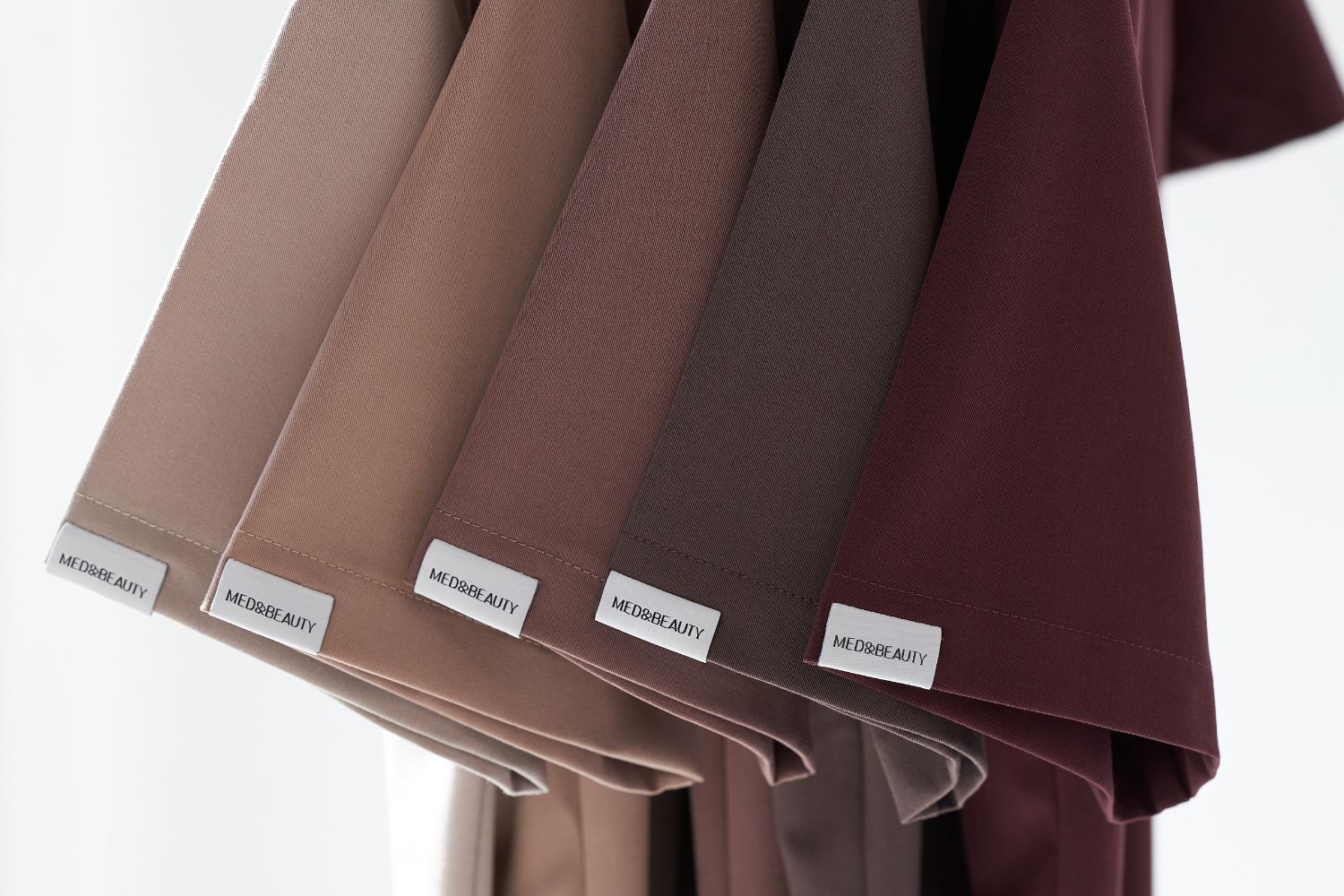
What tasks does the apron perform during the examination of a patient?
Have you ever wondered why the medical gown is so ubiquitous in health care facilities? This seemingly simple piece of clothing is much more than just a symbol of the medical or nursing profession. It is a fundamental work tool that performs a number of key functions. This garment takes care of the safety and comfort of both patient and staff. Let’s take a closer look at what tasks rest on the medical gown during any examination.
Table of Contents:
- More than a symbol – key functions of a medical apron
- Type of apron vs. specifics of work
- Best practices – how to properly use a medical apron?
More than a symbol – key functions of a medical apron
The medical gown is the first line of defense in an environment where hygiene and safety are an absolute priority. Its role is multidimensional and goes far beyond mere appearance.
- Protective barrier for patient and staff
The primary function of an apron is to create a physical barrier. For medical personnel, it provides protection against contact with bodily fluids, microorganisms and other potentially harmful substances. At the same time, the apron protects the patient by preventing the transmission of pathogens from the environment or from the worker himself. This is especially important for immunocompromised patients, for whom even the slightest infection can be dangerous. A clean, well-maintained apron is the basis of safety for both parties.
- Guardian of hygiene and standards
Clothing used in a medical environment can become a carrier of bacteria and viruses. A medical gown that is regularly changed and properly cared for minimizes the risk of cross-infection in the facility. Adherence to garment cleaning procedures is key. Washing garments of this type in accordance with sanitary requirements, guarantees the elimination of biological agents and the maintenance of the highest standards of hygiene.
- Professionalism that builds trust
The attire of medical personnel also has a psychological dimension. A neat apron builds a professional image and strengthens the patient’s confidence. It sends a message – “you are in the hands of a specialist.” The colors of medical staff attire often help in quick identification – traditionally, a white apron is associated with a doctor, and pastel colors with nurses. Such a visual code makes it easier for patients to orient themselves in the facility and affects their sense of comfort.
Type of apron vs. specifics of work
Not every apron is the same. The choice of the right model depends on the nature of the duties performed, the workplace and individual preferences.
- A doctor’s apron, surgical apron, or maybe a dental apron?
While the classic doctor’s apron is a staple of everyday attire in the office or ward, surgical models must meet much stricter sterility standards. Dentistry, on the other hand, requires garments that are extremely resistant to dirt and frequent disinfection. When shopping for the perfect apron, it’s worth considering what conditions prevail in your workplace – and make your choice based on that.
- Material and cut – the foundation of comfort and functionality
The quality of an apron translates into comfort for many hours of work. The best models are made of fabrics that are resistant to frequent washing, yet breathable and skin-friendly. Modern blends of cotton, polyester and elastic fibers ensure freedom of movement and impeccable appearance. Functionality is also enhanced by practical details, such as roomy pockets and convenient fastenings with press studs. Various cuts are available in our online store – from traditional ones, such as the classic doctor’s apron, to modern, tailored cuts.
Best practices – how to properly use a medical apron?
Just wearing an apron is not enough. It is equally important to follow the rules that guarantee its effectiveness.
- Selection, care and fit – choosing the right model is the first step. Will a plain or tied medical apron be better? It all depends on individual needs and work dynamics. However, the key is that the garment should always be clean and fit. The garment is an integral part of the dress code in the medical industry. This element uniquely emphasizes professionalism and attention to standards.
- Apron as a mandatory item of clothing – it is worth remembering that in many cases the use of appropriate protective clothing is regulated by regulations. The EN 13795 standard or EU directives specify when medical clothing is mandatory to ensure maximum safety. This applies not only to doctors, but also to other professions, such as pharmacists. For those working in a pharmacy, proper attire is a way to build a professional image and patient trust.
To sum up – a medical apron performs extremely important tasks during your daily work in a healthcare facility. It is a versatile tool that protects, ensures hygiene, builds a professional image and increases your comfort. Remember, an investment in quality medical clothing is an investment in safety – yours and your patients’.