Why do nurses wear tight uniforms?
Have you ever wondered why nurses wear tight uniforms? This image, perpetuated in the media and popular consciousness, prompts questions about comfort, professionalism and standards in the medical industry. The truth, however, is more complex. Modern medical apparel is a fascinating world where aesthetics must go hand in hand with extreme functionality. Instead of “tight”, specialists prefer to talk about “fitted” cuts. What is the difference, and what really matters in the daily work of medical personnel? Read on to see how appearance, comfort and safety are intertwined in the ideal nursing uniform.
Table of Contents:
- Aesthetics and professional image – why fit matters
- Comfort above all else – real needs in the dynamic work of a nurse
- The secret to the perfect uniform – materials and industry standards
- Modern trends – from classic white to a fever of colors
Aesthetics and professional image – why fit matters
There’s no denying that appearance matters – including in health care. A neat, well-tailored uniform helps build a professional image that instills confidence in patients. They feel safer when they see staff who look competent and neat.
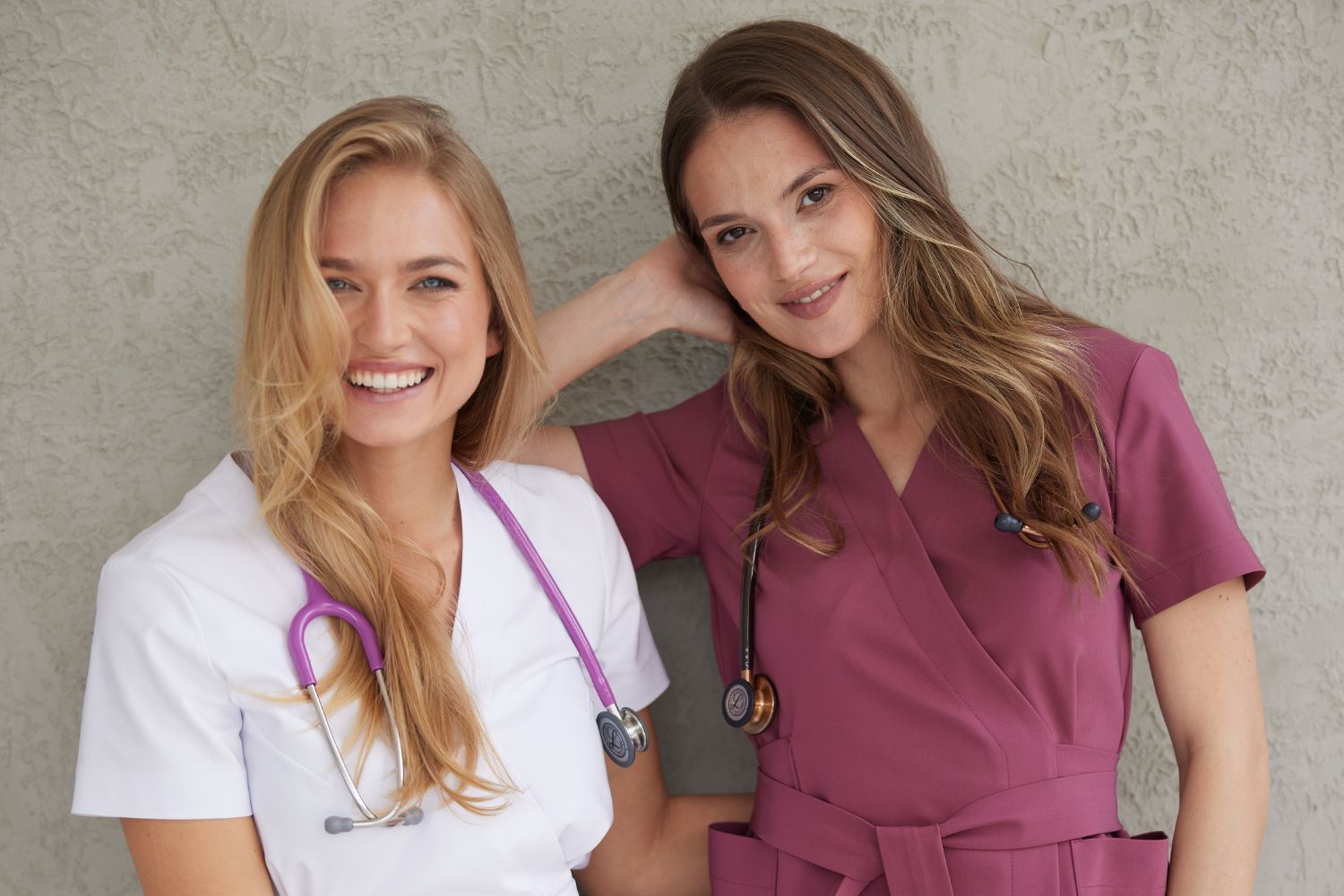
However, that’s not all. A stylish medical uniform has a huge impact on the well-being and confidence of the employees themselves. When we feel comfortable in what we wear, our motivation and efficiency increase. Modern, tailored cuts help to subtly accentuate the figure and express one’s style. In this way, we disenchant the old, somewhat gloomy image of medical personnel. Colorful, fashionable, yet functional clothing makes employees better perceived, and the atmosphere in the facility becomes friendlier.
Comfort above all else – real needs in the dynamic work of a nurse
While aesthetics are important, comfort and freedom of movement will always come first in the nursing profession. The work of medical personnel involves constant activity – bending down, lifting patients, carrying equipment and reacting quickly to unforeseen situations.
Performing these activities in an outfit that is too tight and restrictive would not only be uncomfortable, but downright dangerous. Practical medical clothing for a nurse must, above all, be ergonomic. A looser cut that doesn’t compress or restrict the range of motion is an absolute must. Multiple, practical pockets for accessories such as a pen, notepad or phone are also key. The discomfort of inappropriate clothing is distracting and tiring – and concentration is at a premium during a long tour of duty.
The secret to the perfect uniform – materials and industry standards
How to reconcile a tailored look with freedom of movement? The answer lies in properly selected materials. In the past, cotton was king, but today the best uniforms are made of modern fabric blends. The choice of material in medical clothing depends on the specifics of the work.
The combination of cotton with synthetic fibers, such as polyester or nylon, and the addition of elastane (lycra), makes it possible to create the perfect outfit. Polyester ensures durability and resistance to creasing, cotton guarantees breathability, and elastane gives the fabric elasticity. As a result, even a form-fitting scrubs can provide full freedom of movement.
Medical garments must also meet strict hygiene standards. Materials should be resistant to frequent washing at high temperatures and disinfection. It is worth remembering that the dress code in the medical industry is most often set by the management of the institution, which cares about a consistent image and easy identification of staff.
Modern trends – from classic white to a fever of colors
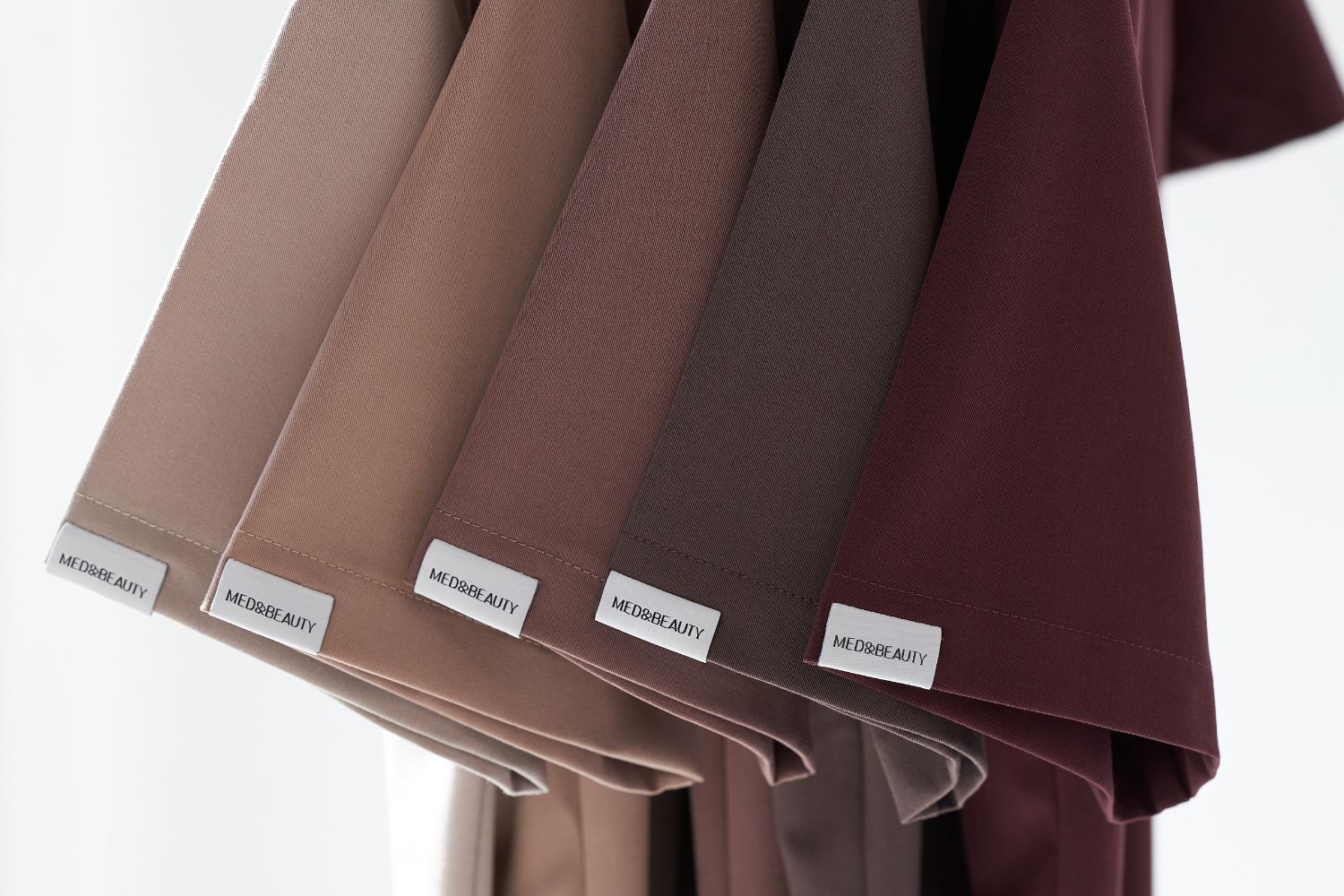
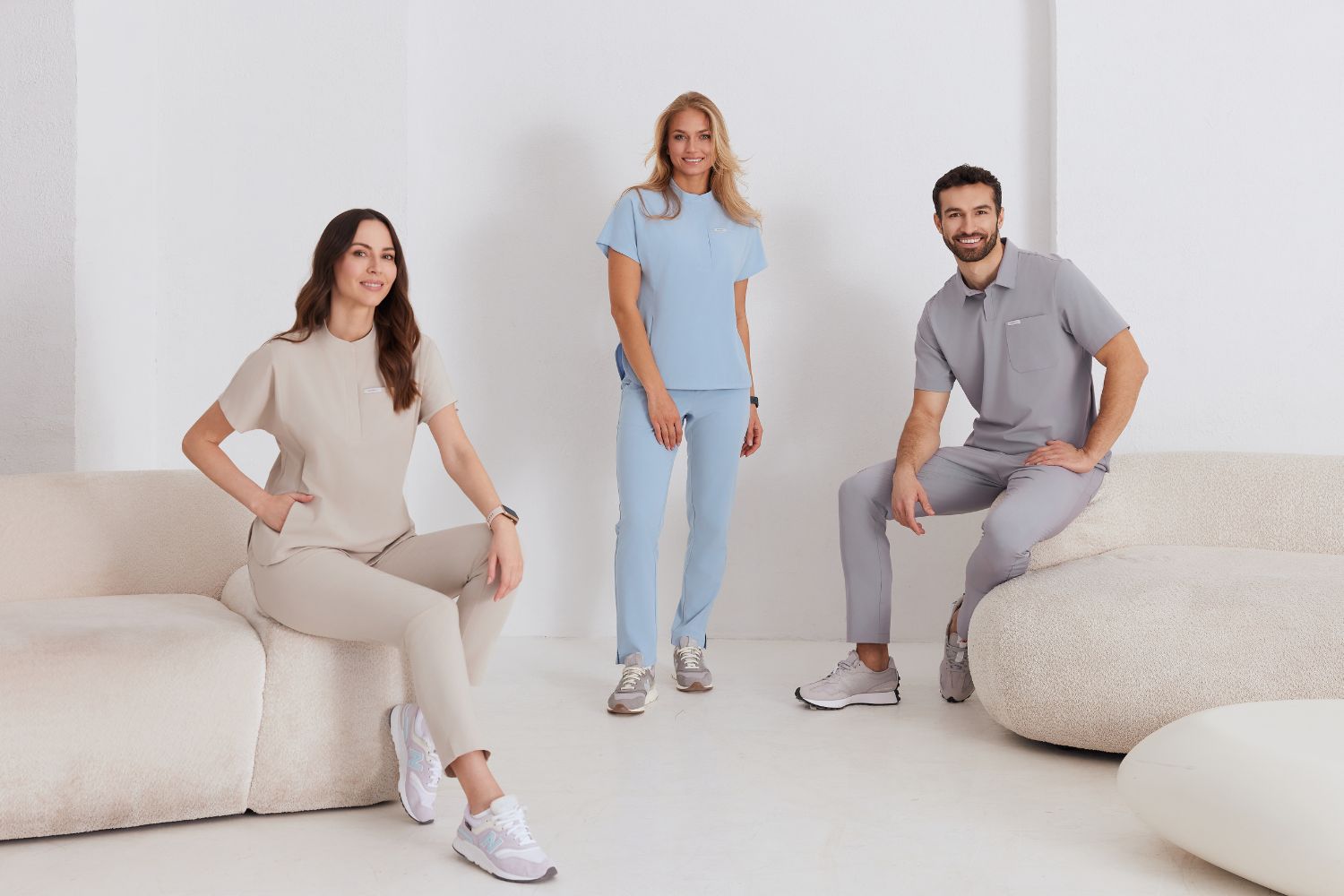
The times when hospitals were ruled solely by white are long gone. Nowadays, designers of medical clothing focus on variety – both in terms of cuts and colors. Uniforms in pastel shades are popular, but also in vivid, energetic colors.
The color scheme is often used to identify staff – different colors may be worn by nurses, others by doctors, and still others by medical technicians. Colorful medical clothing is perceived by patients as more welcoming, which helps reduce stress levels. The option of color and cut allows medical workers to express themselves and increases their sense of comfort. This directly translates into quality care.
To answer the question posed in the title – nurses do not wear tight uniforms, as this would be impractical and uncomfortable. Instead, they choose well-fitting outfits that combine a professional appearance with full freedom of movement, thanks to modern, stretchy materials. The ideal uniform is one that supports the nurse in her daily duties – it is comfortable, functional and easy to clean. It is a compromise between aesthetics and ergonomics, where comfort and safety always remain a priority.