Sanepid requirements and clothing in a beauty salon – what do you need to know in 2026?
Running a beauty salon is about building a space where clients feel safe and are professionally taken care of. One of the most important elements that affects the evaluation of a salon is impeccable hygiene – and its hallmark becomes the staff’s attire. Do you know what the Sanitary and Epidemiological Agency’s requirements for clothing in a beauty salon will be in 2026? Awareness of procedures is the basis for taking care of yourself, your team and your clients with due diligence. Failure to follow the rules can lead not only to problems during inspections, but most importantly to a loss of trust, which is the foundation of your business. Let’s check out what you need to know to operate in compliance with the law and the highest standards!
Table of Contents:
- Sanepid’s current requirements for clothing in 2026
- Washing and care of cosmetic clothing – how to do it right?
- The most common beauty salon mistakes to avoid
- Consequences of negligence and impact on salon reputation
- FAQ – quick hints before the sanitary inspection
- How to adapt to the changes in 2026?
Sanepid’s current requirements for clothing in 2026
Sanitary regulations are clear – in the workplace, where there is direct contact with the customer and potential violation of tissue continuity, staff attire plays the role of a protective barrier. Hygiene responsibilities are precisely defined and subject to strict controls.
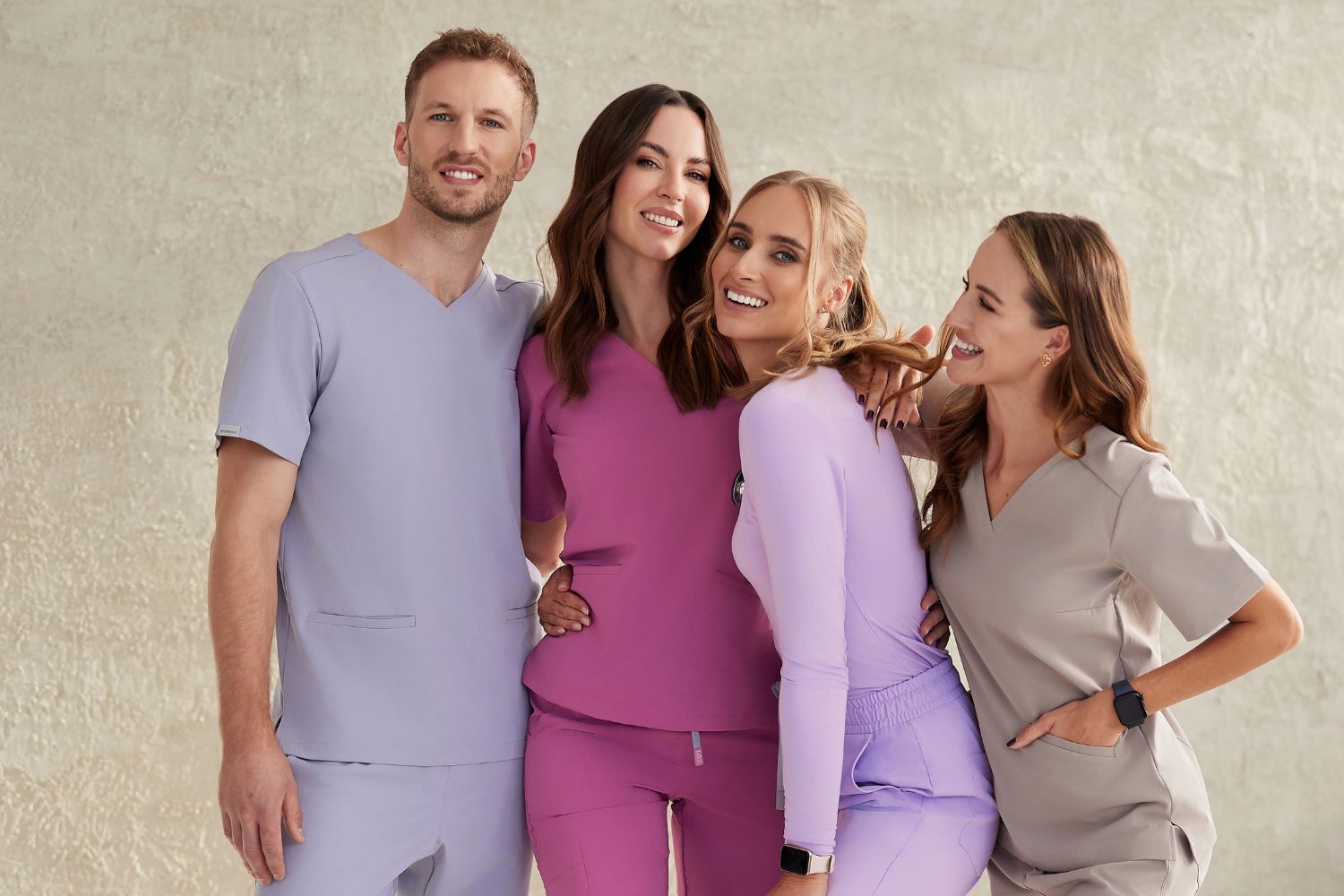
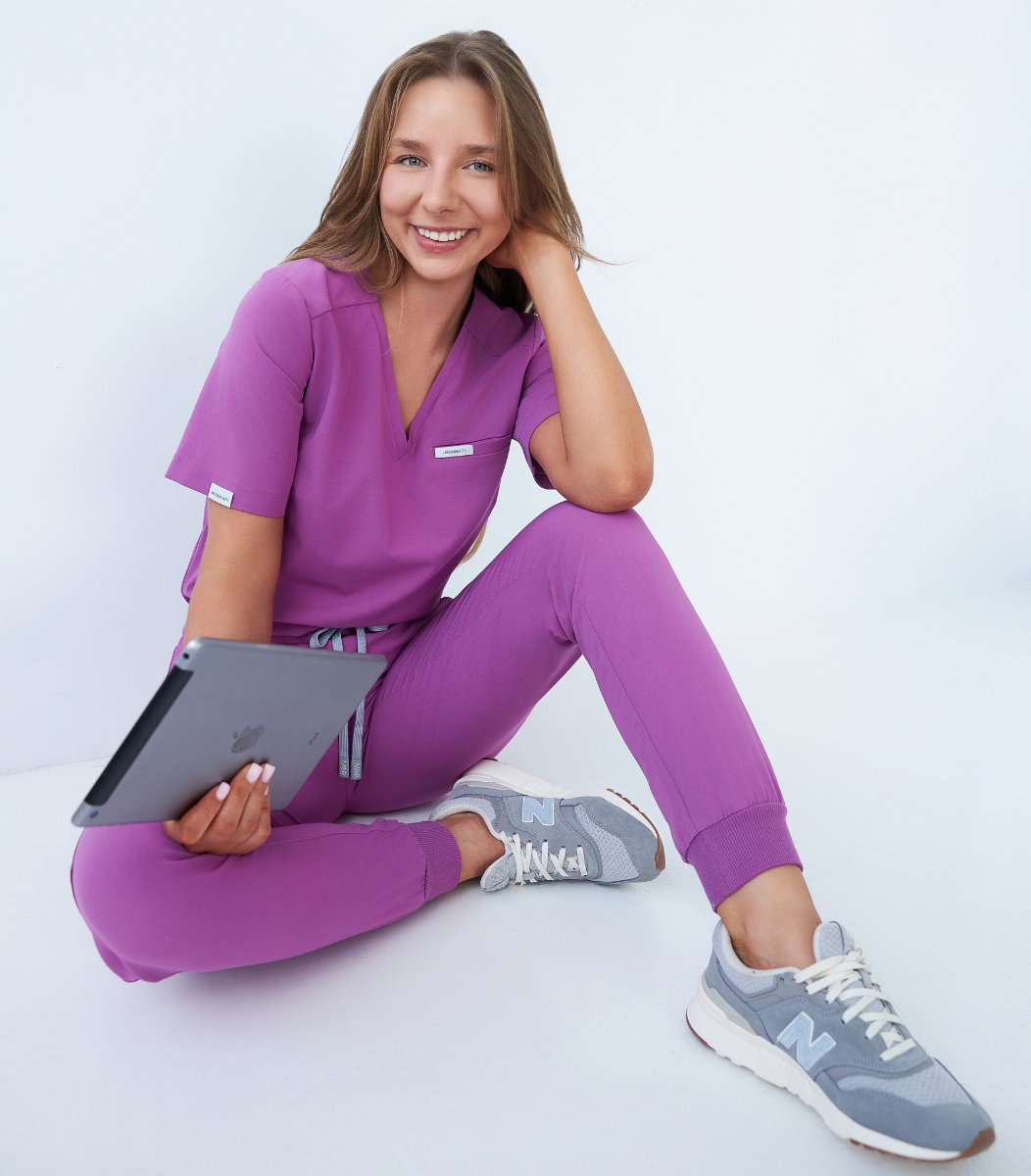
According to current guidelines for 2026, beauty salon staff should wear specialized work clothing. This can be a women’s medical apron, a tunic or a set consisting of several items – but the outfit must be exclusively for the performance of professional duties.
Depending on the type of treatment, workers are also required to use personal protective equipment. Protective masks or visors are essential items that They protect the respiratory tract of both the worker and the customer. Disposable gloves should be changed after each customer to prevent the transmission of microorganisms.
The salon must also provide appropriate coverings for clients, such as disposable capes, underwear or underclothes. It is worth remembering that, according to the law, it is the employer’s responsibility to provide employees with protective clothing free of charge.
Washing and care of cosmetic clothing – how to do it right?
Just having a professional outfit, such as a medical envelope tunic, is only half the battle. A very important element is its proper maintenance. The washing of medical and cosmetic garments must guarantee the elimination of biological agents. Pathogens can survive on the fabric for many hours, so inaccurate cleaning increases the risk of infection.
Washing temperature is very important. A minimum of 40°C is an absolute must to effectively get rid of most microorganisms. Instead of aggressive bleach, which can damage delicate fibers, it is worth investing in specialized laundry detergents. Such agents effectively remove dirt and disinfect, while protecting fabrics from damage. It is a good idea to store clean and dirty clothes in separate, lockable containers. This is a simple rule that prevents secondary contamination of clean uniforms.
The most common beauty salon mistakes to avoid
Even with the best intentions, it’s easy to make mistakes that can be pointed out during a Sanitary Inspection. Being aware of these stumbling blocks is the first step to eliminating them.
Among the most common mistakes in the selection of cosmetic clothing and its maintenance are:
- Washing at too low a temperature – saving on energy can result in inadequate disinfection,
- inappropriate choice of material – clothing should be made of non-dusting materials, such as a blend of cotton and polyester, which meet strict standards. These are fundamental hygienic requirements,
- Lack of regular change of attire – using the same uniform for a whole day of work with many customers is unacceptable,
- mixing work clothes with private clothing – storing and washing uniforms together with everyday clothes is a serious hygiene violation.
Consequences of negligence and impact on salon reputation
Ignoring the requirements of the Sanitary Inspectorate is a straight path to serious problems. An inspection can end with a fine and, in extreme cases, even a decision to close the business until the irregularities are corrected.
The most severe penalty, however, is the loss of reputation. Customers are increasingly aware – and information about hygienic negligence spreads quickly, destroying trust built up over years. Remember, a salon that takes care of safety is seen as a trustworthy beauty salon.
FAQ – quick hints before the sanitary inspection
Does staff clothing in a beauty salon have to be separate from private clothing?
- Yes – Sanepid requires that business clothing be stored separately from private belongings, with a clear division between clean and used. We recommend separate cabinets or lockable containers and labeling of storage areas.
What clothing materials are acceptable from a hygiene standpoint?
- For procedures requiring greater sterility, garments made of natural and easily disinfectable fibers (e.g., cotton combined with nylon/lycra – premium line) are preferable. Polyester/viscose with lycra (basic line) is also acceptable, but pay attention to resistance to frequent washing and ability to disinfect. The main features that count are washability at 40°C, quick drying and fabric durability.
What mode of washing and care does the Sanitary Inspectorate expect?
- The Sanitary Inspectorate expects proof of a regular, documented washing procedure. For our products we recommend – washing before first use, at 40°C with similar colors. Ironing should be done at up to 110°C on the left side. Do not use strong bleaching agents to clean the outfit. Also avoid tumble drying and dry cleaning. Keep a simple laundry record (who, when, method) as part of your records.
How to adapt to the changes in 2026?
Remember that regulations and inspection procedures may change. As of January 1, 2026, a new regulation on the operation of sanitary and epidemiological stations went into effect, which may affect the scope of inspections. Keeping abreast of current guidelines, regular staff training and keeping accurate records are all extremely important.
Purchasing quality cosmetic clothing that meets all standards and is properly cared for is an investment in safety, a professional image and the long-term success of your salon. Don’t treat it as an unpleasant chore, but as a foundation on which you build trust with your customers.