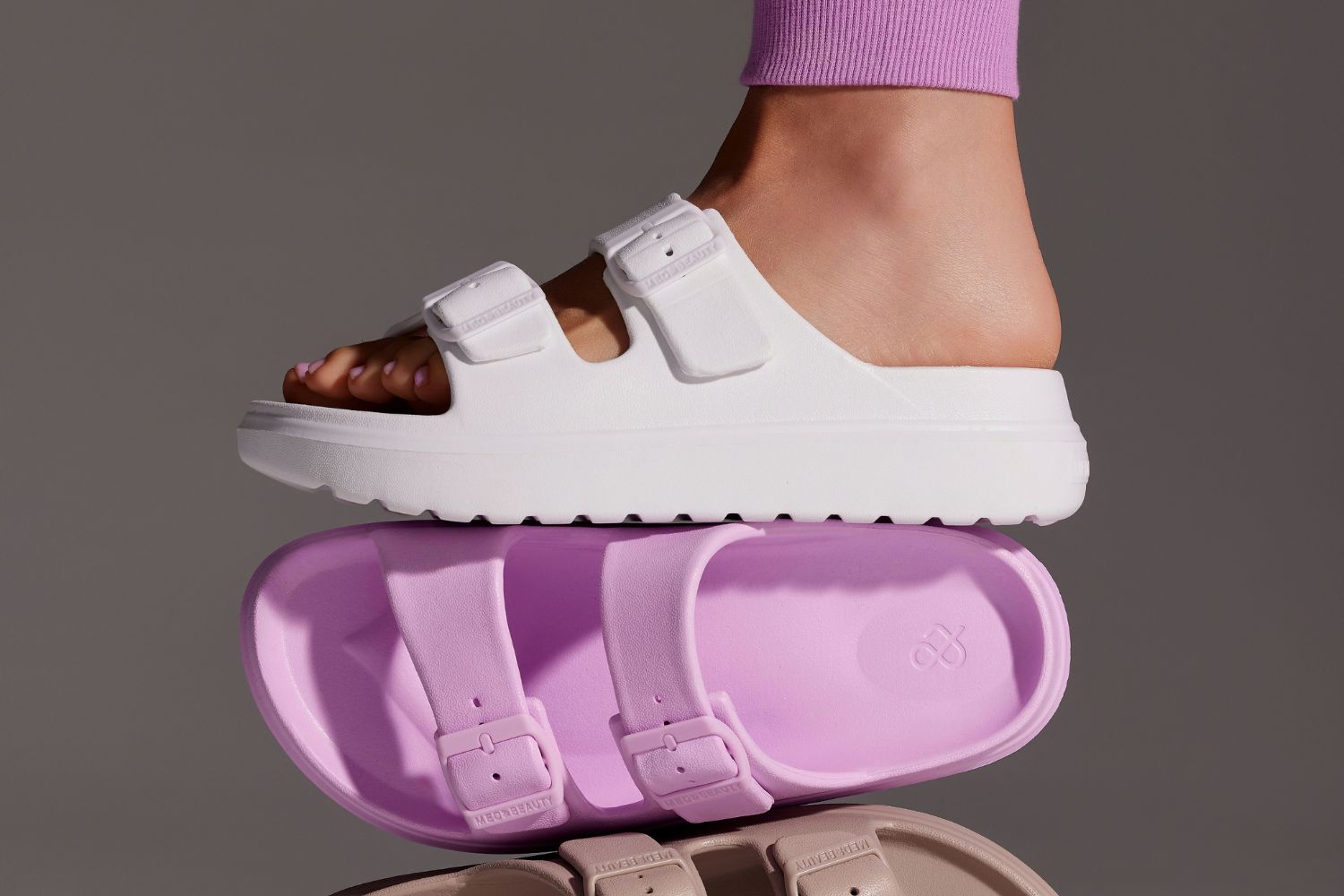
The best shoes for standing work – what to pay attention to when choosing medical shoes?
Long duty hours, thousands of steps taken in hospital corridors and patients who require attention here and now – you know it? In the work of a medic, every minute is at a premium, and the body has to cope with enormous challenges. If your feet, legs and back refuse to obey after a full day, it’s a sign that it’s high time to look at the foundation – footwear. Choosing the right shoes for standing work is not a fad, but the absolute foundation of your comfort, health and efficiency. Consider it an investment in yourself that will more than pay for itself.
Table of Contents:
- Why are good work shoes your professional ally?
- Key features of the ideal medical shoes
- Comfort from head to toe – how does footwear affect the whole outfit?
- FAQ – questions to ask when you are faced with choosing comfortable shoes
Why are good work shoes your professional ally?
Working in constant motion, often for several hours, is a real marathon for the body. The feet carry the entire weight of the body, and improper footwear acts as a brake that generates additional strain with each step. The consequences? Foot pain is just the beginning!
The discomfort quickly radiates higher up, causing problems in the knees, hips and even the spine. Long-term wear of ill-fitting shoes can lead to chronic problems such as flat feet, hallux valgus and circulation problems.
In a dynamic medical environment, where floors are sometimes slippery, stability is key. An inadequate sole increases the risk of slipping and falling, which can end in a dangerous injury. For this reason, comfortable medical footwear is one of the most important items in your professional closet.
Key features of the ideal medical shoes
The market offers a plethora of models of medical footwear – but how do you choose the ones that will really pass the test? Before you throw the chosen model into your shopping cart, pay attention to several important features. The combination of these strengths will make it easier for you to buy shoes ideal for long hours of work.
1. cushioning and arch support for the foot
Your shoes must act as professional shock absorbers. A well-cushioned sole and proper support for the arch of the foot reduce the shock that is created with every step. In this way, you protect your joints and spine from strain. Models with adequate cushioning minimize fatigue and allow you to conserve energy for longer.
2. non-slip sole
A non-slip sole is an absolute requirement in medical facilities. It provides stability and traction on a variety of surfaces, protecting you from uncontrolled slipping and potential injury.
3. breathable and durable materials
Working for hours in closed shoes is a challenge for the skin of the feet. The materials of shoes must ensure air circulation. Natural leather or modern breathable fabrics prevent excessive sweating, ensuring comfort and hygiene. The material should also be able to withstand frequent cleaning and disinfection, which is standard in the work of a medical professional.
4. lightness
Every extra gram on the feet at the end of a 12-hour tour of duty seems to weigh a pound. Lightweight shoes significantly reduce leg strain and overall fatigue. This allows you to focus on your duties rather than struggling with the weight on your feet.
5. perfect fit
Shoes must be neither too tight nor too loose. Footwear that is too tight causes chafing, corns and circulation problems. Too big, on the other hand, does not provide adequate stability, increasing the risk of injury. Remember that your feet may be slightly swollen at the end of the day, so it’s a good idea to leave a little slack. Avoiding sizing mistakes is key – this applies to both footwear and clothing. The wrong size can realistically interfere with comfort and lead to unnecessary discomfort.
Comfort from head to toe – how does footwear affect the whole outfit?
Even the most comfortable and well-tailored medical set will not do its job if your feet are suffering. Comfort is an interconnected system of vessels – it starts with your feet and affects how your whole body feels. When you feel comfortable in your shoes, you move more freely and your posture is more natural. This, in turn, makes medical clothing – whether it’s loose scrubs or a fitted dress – fit and work better with your body.
When creating your professional image, think holistically. The ideal women’s medical clothing set, combined with ergonomic footwear, is your best ally in the fight against the hardships of professional everyday life. This synergy will make you feel confident, professional and comfortable all day long.
FAQ – questions to ask when you are faced with choosing comfortable shoes
Are special medical shoes necessary for long standing?
- Yes. A properly designed sole and arch support reduce stress on the feet and spine. This in turn reduces fatigue and the risk of injury during long shifts.
How often to replace footwear designed for standing work?
- It is a good idea to replace them every 12-18 months with intensive use. If the sole is flattened, the cushioning is weakened or the footwear loses stability, you should think about buying a new pair.
Is it worth it to use removable orthotics?
- Yes – orthotics help adjust support to individual needs, often improving stability and reducing discomfort.
Choosing the right shoes for standing work is one of the most important decisions you can make for your health and professional comfort. Remember the most important assets – cushioning, non-slip sole, lightweight, breathable and perfect fit. Don’t skimp on quality, because it’s an investment that protects your spine, joints and well-being. Good shoes are the foundation on which you can confidently build your professional passion – without pain and unnecessary fatigue.