Washing medical clothes: 40°C or 60°C? How to effectively disinfect a uniform without destroying the color
Do you throw your medical uniform in the washing machine on 60°C or even 90°C, believing that this is the only way to get rid of all the office germs? This is a mistake that many doctors make. Paradoxically, boiling modern fabrics does not make them more sterile at all – quite the opposite. Shrunken and damaged by boiling water, the fibers absorb dirt faster, and the material loses its original shape and deep shade. So how to take care of clothes to maintain perfect hygiene and great style on duty? We suggest!
Table of Contents:
- Washing temperature of medical clothing – why 40°C is the optimal choice?
- Safe disinfection without loss of color
- Daily care step by step
- Care without secrets – everything you need to know about our medical clothing
Washing temperature of medical clothing – why 40°C is the optimal choice?
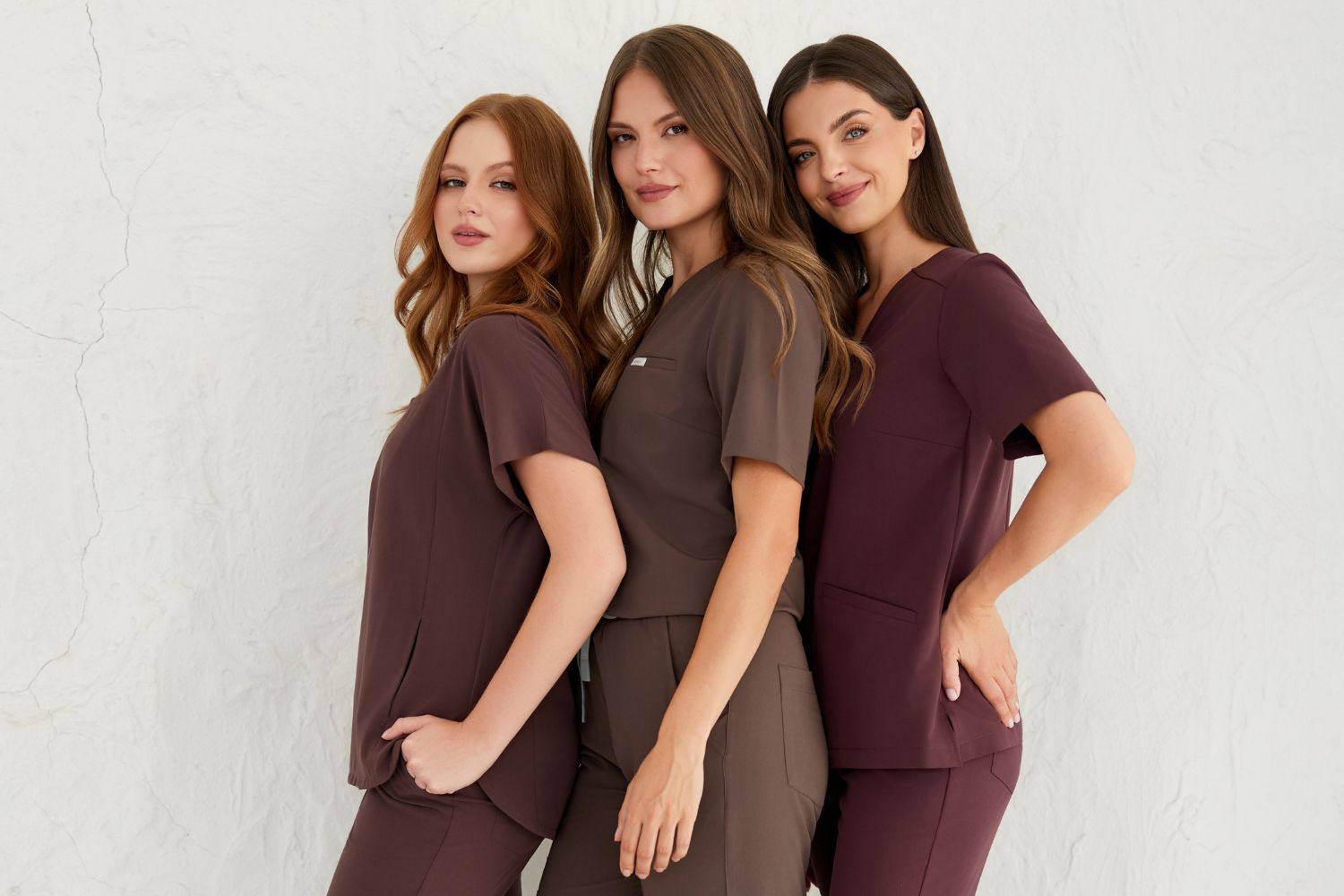
Modern garments for the medical and beauty industry are technologically advanced models. Our premium collections are made from a precisely selected blend of cotton, nylon and lycra. The basic line, on the other hand, is based on polyester, viscose and lycra. The use of elastic fibers means that the uniform works perfectly with the figure and lies perfectly on it from the first to the last minute of duty.
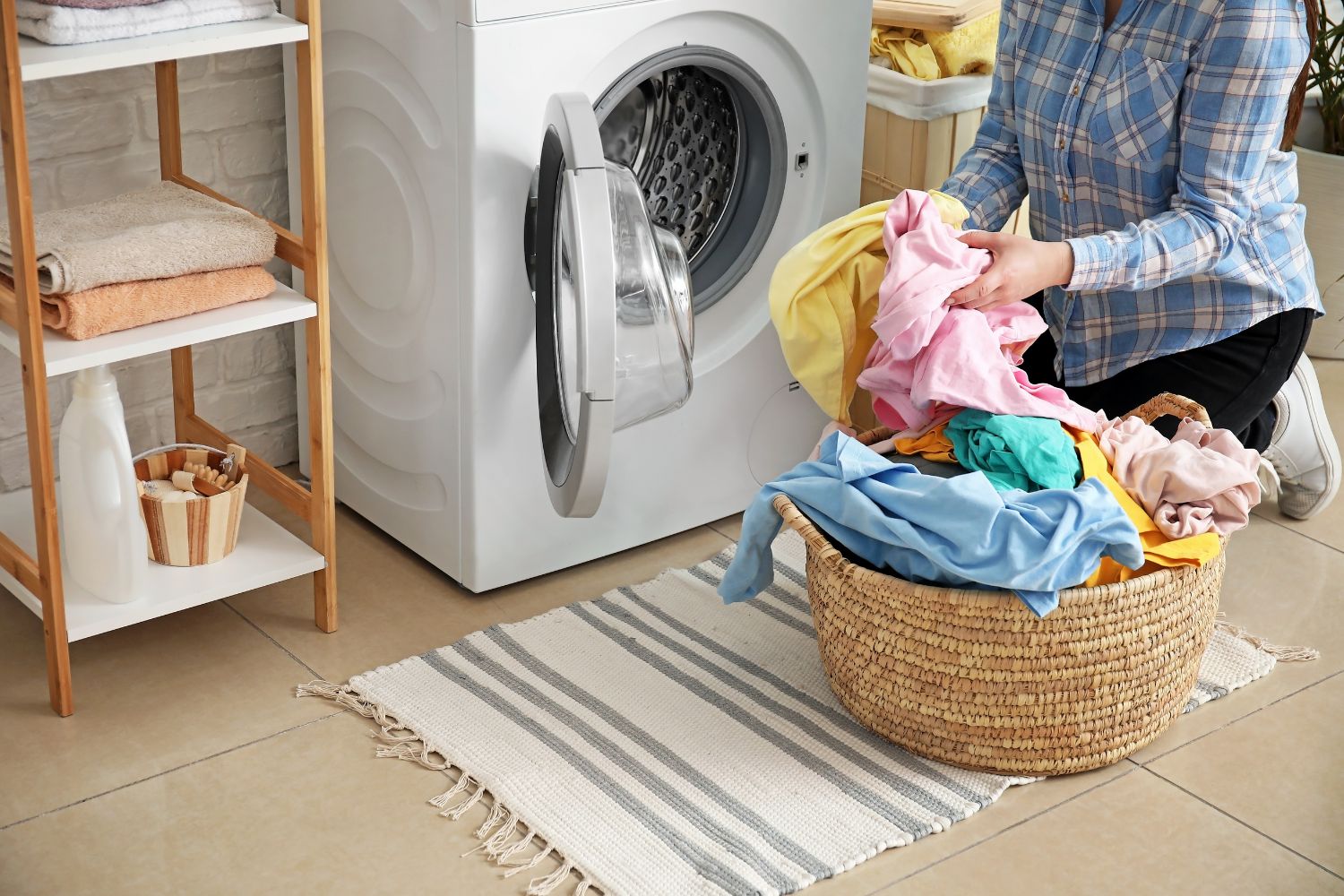
High temperature is the biggest enemy of elastane. Washing at 60°C or 90°C can irreparably damage the structure of the fabric, leading to shrinkage and dye fading. Based on our experience in manufacturing in Poland and the results of tests conducted in cooperation with medical personnel, we recommend washing our garments at 40°C. This is the optimum value, which, combined with the appropriate preparations, allows us to effectively get rid of microorganisms, while protecting the elastane fibers from cracking. As a result, your scrubs will retain their original cut, and you don’t have to worry about faded colors.
Safe disinfection without loss of color
Effective elimination of pathogens does not at all have to mean cooking clothes. Disinfection at lower temperatures is as possible and widely used. Instead of aggressive chlorine-based agents, which destroy the pigment and weaken the material, it is worth reaching for specialized detergents. Formulations with active oxygen effectively disinfect fabrics as low as 40°C.
Ironing is also an extremely important step in the fight against bacteria. The high temperature of the iron acts as a heat sterilizer. However, remember to always iron clothes on the left side, setting the device to a maximum of 110°C. Such treatment not only smooths the fibers, but also eliminates residual microorganisms, protecting the outside of the fabric. As a result, you will present yourself in a fully professional manner at every duty station.
Daily care step by step
In order for a uniform to serve you for many months, retaining its original charm, you need to implement a few simple habits. First of all, we suggest you wash the product even before you use it for the first time. This will enable you to remove any post-production contamination and stabilize the dye on the cotton or viscose fibers.
During daily use, always sort clothes and wash them only with similar colors. Absolutely avoid strong detergents, bleach and dry cleaning. Tumble drying is also a bad idea – hot air destroys synthetic fibers as drastically as boiling water. A much better solution is to hang up the clothes in an airy place.
Care without secrets – everything you need to know about our medical clothing
Why should medical clothing be washed separately from other clothing?
- Segregation is key to maintaining hygiene. Washing uniforms separately prevents the transfer of microorganisms from the office to the everyday clothing of household members. In addition, this protects the delicate lycra fibers from mechanical damage caused by hard parts of other clothes.
How do you safely remove difficult stains from blood, body fluids, ointments or dental dyes without destroying the fabric?
- In the case of biological and chemical stains, the most important thing is to react immediately. Blood and bodily fluids should be rinsed with cold water only, as warm water will lead to the beheading of proteins and permanent binding of the stain to the material. On the other hand, on oily ointment marks or strong stains (such as dental stains) it is worth applying a gentle preparation with active oxygen topically. Then apply a mild enzyme powder before washing properly at 40°C.
Do garments with elastic fibers lose their cut over time?
- Properly cared for garments retain their structural properties for a very long time. The main thing is to avoid high temperatures – both during washing and drying. Giving up the tumble dryer and washing at 40°C will ensure that the material remains resilient and fit.
Take care of your professional image and don’t waste time with misguided solutions. Discover our latest collection of premium medical apparel – choose the cut that will highlight your individual style in the office. Invest in quality, test our care principles and enjoy a perfect uniform that will stay with you for a long time!