What kind of shoes are best for doctors?
Twelve-hour on-call, endless corridors, hundreds of steps between the office and the operating room and constant time pressure – sound familiar? A doctor’s job is a marathon in which your feet carry you through challenge after challenge. Unfortunately, they are often the ones who pay the highest price for the sacrifice – pain, fatigue and swelling. Choosing the right footwear is not a fad, but the foundation of your daily comfort and health. The right shoes can transform your well-being on duty more than you think.
Table of Contents:
- Why is choosing the right shoes the key to surviving on-call?
- Features of the ideal shoes for a doctor – these elements are worth paying attention to
- Clogs, flip-flops or sneakers? Comparison of popular models
- How to choose the perfect shoes? Practical tips
Why is choosing the right shoes the key to surviving on-call?
Every doctor knows that spending long hours on your feet at work is the norm. Improperly fitting footwear is a straightforward path to foot pain – but also problems with knees, hips and even the spine. Physical fatigue directly affects concentration, which is at a premium in your profession. For this reason, comfortable medical footwear is one of the most important items in your professional closet.
This is not only a matter of comfort, but also safety. Slippery hospital floors can be treacherous, and the right sole can prevent a dangerous fall. Buying quality shoes is an investment in your efficiency and well-being throughout the workday.
Features of the ideal shoes for a doctor – these elements are worth paying attention to
What should you pay attention to when looking for the perfect pair? Focus on a few key aspects – combining these strengths will enable you to find footwear capable of meeting the challenges of medical everyday life.
- Comfort and cushioning – the foundation of long tours of duty
The basis is lightweight and excellent cushioning. Shoes should be almost imperceptible on the feet, while effectively absorbing the shock of walking. Models with good cushioning and support for the arch of the foot are crucial during long hours on duty. Look for footwear with anatomically contoured insoles that will ensure proper weight distribution and relieve pressure on tired feet. It is with such details that you will avoid pain even after several hours on the move.
- Safety first – non-slip sole
Hospital corridors, often washed and polished, can be dangerously slippery. A non-slip sole is an absolute requirement to minimize the risk of slipping and falling. It provides stability and reassurance with every step. This is extremely important when you need to move quickly between patients.
- Hygiene and ease of cleaning
Medical environments require the highest standards of cleanliness – and your shoes are no exception. Footwear made of smooth, water-resistant materials, such as high-quality EVA plastic, allows for quick and effective cleaning and disinfection. This is key to preventing the transmission of microorganisms. Avoid shoes made of fabric, which are difficult to keep clean and may not meet sanitary requirements.
Clogs, flip-flops or sneakers? Comparison of popular models
The choice of shoe cut depends on your individual preferences and the rules and regulations of the facility where you work. What reigns most often in hospital corridors?
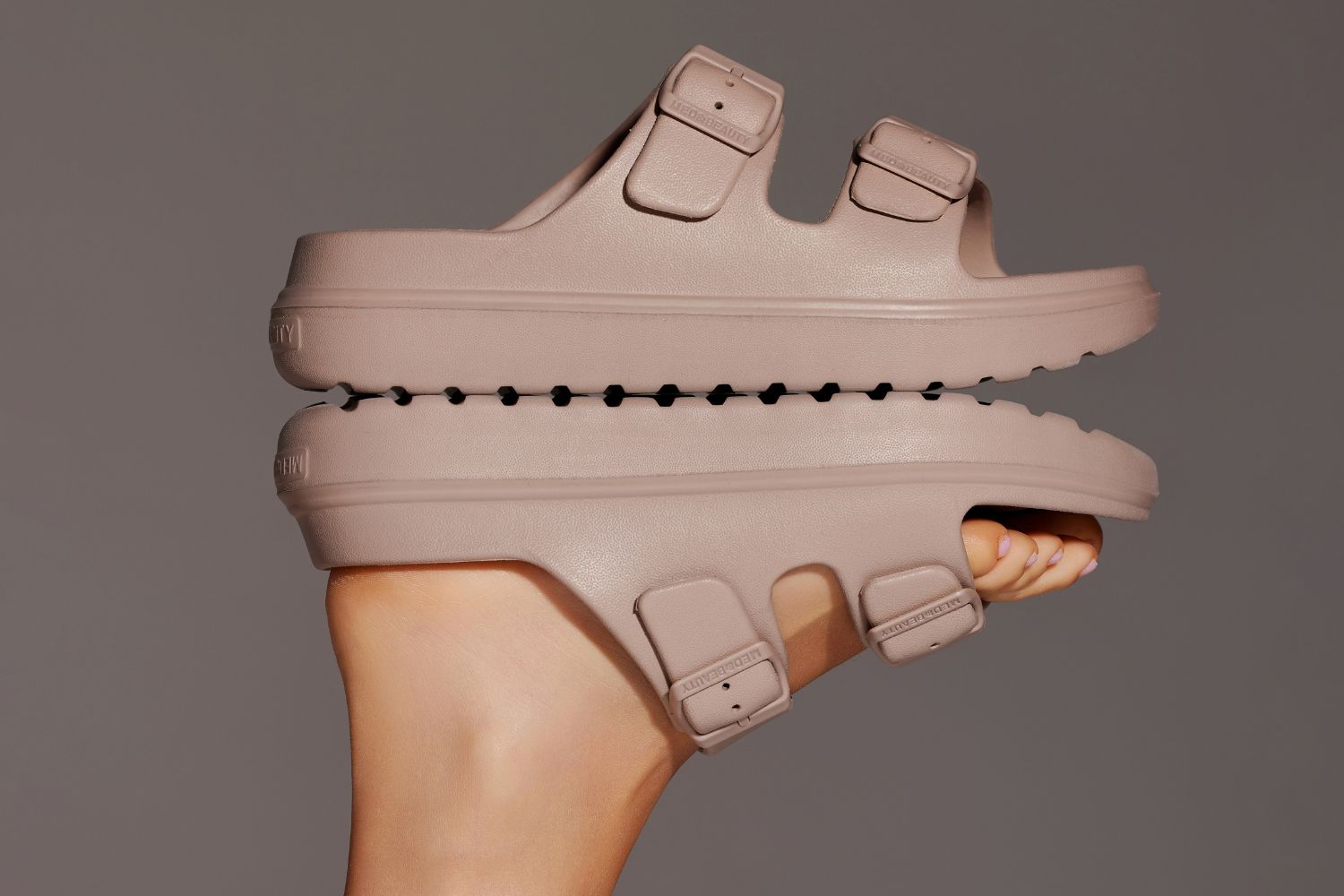
- Medical flip-flops and clogs – these are classics of the genre. Their biggest advantages are the ease of sliding on and off, good ventilation and trouble-free cleaning. Modern models are revolutionizing this segment. With a higher, lightweight sole and anatomically shaped insole, they provide excellent cushioning and comfort that traditional clogs often lacked.
- Sneakers – increasingly chosen for their great cushioning and sporty appearance. They provide excellent support for the foot and are extremely comfortable. Their downside, however, may be the difficulty of maintaining hygiene – material uppers are more difficult to disinfect. They will work well if the dress code allows it and you do not work in an area that requires sterility.
How to choose the perfect shoes? Practical tips
The wrong size can negate the advantages of even the best model, leading to chafing and discomfort. How to avoid making a mistake? Measure your feet in the afternoon or evening, when they are slightly swollen after a long day. Make sure there is a bit of slack between the longest toe and the end of the shoe. Also check your facility’s internal regulations before you buy – some hospitals or wards have clear guidelines for footwear.
Choosing shoes for work is one of the most important decisions you will make for your health and comfort. Think of it as an investment – in your productivity, well-being and ability to help others without undue strain. Your feet will thank you for it.